Guided by Vision



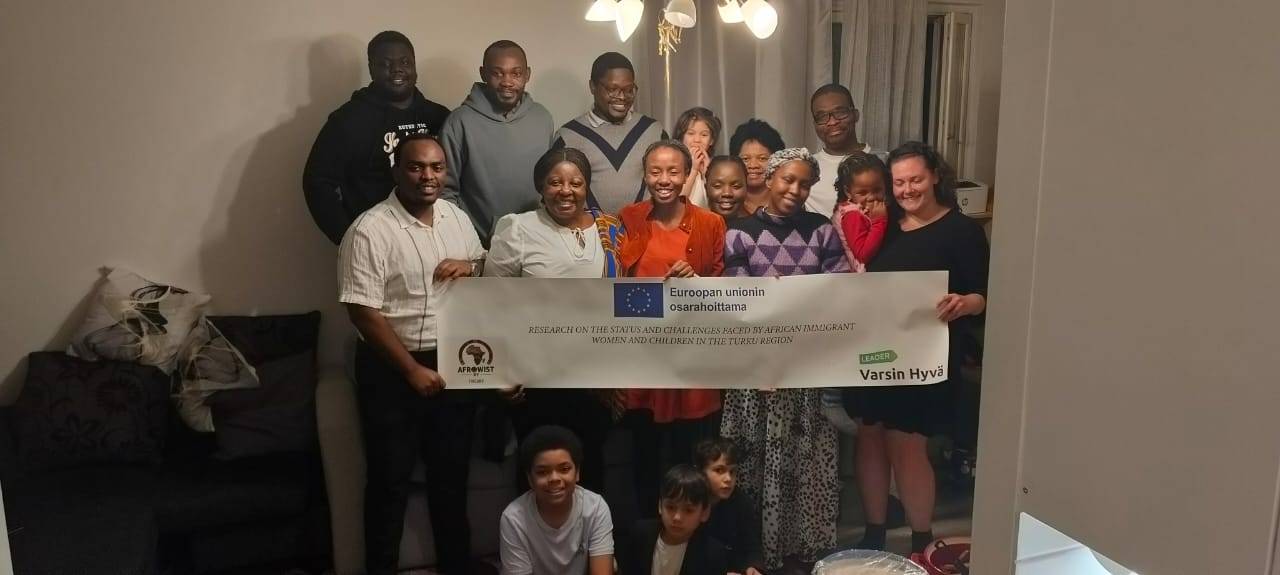
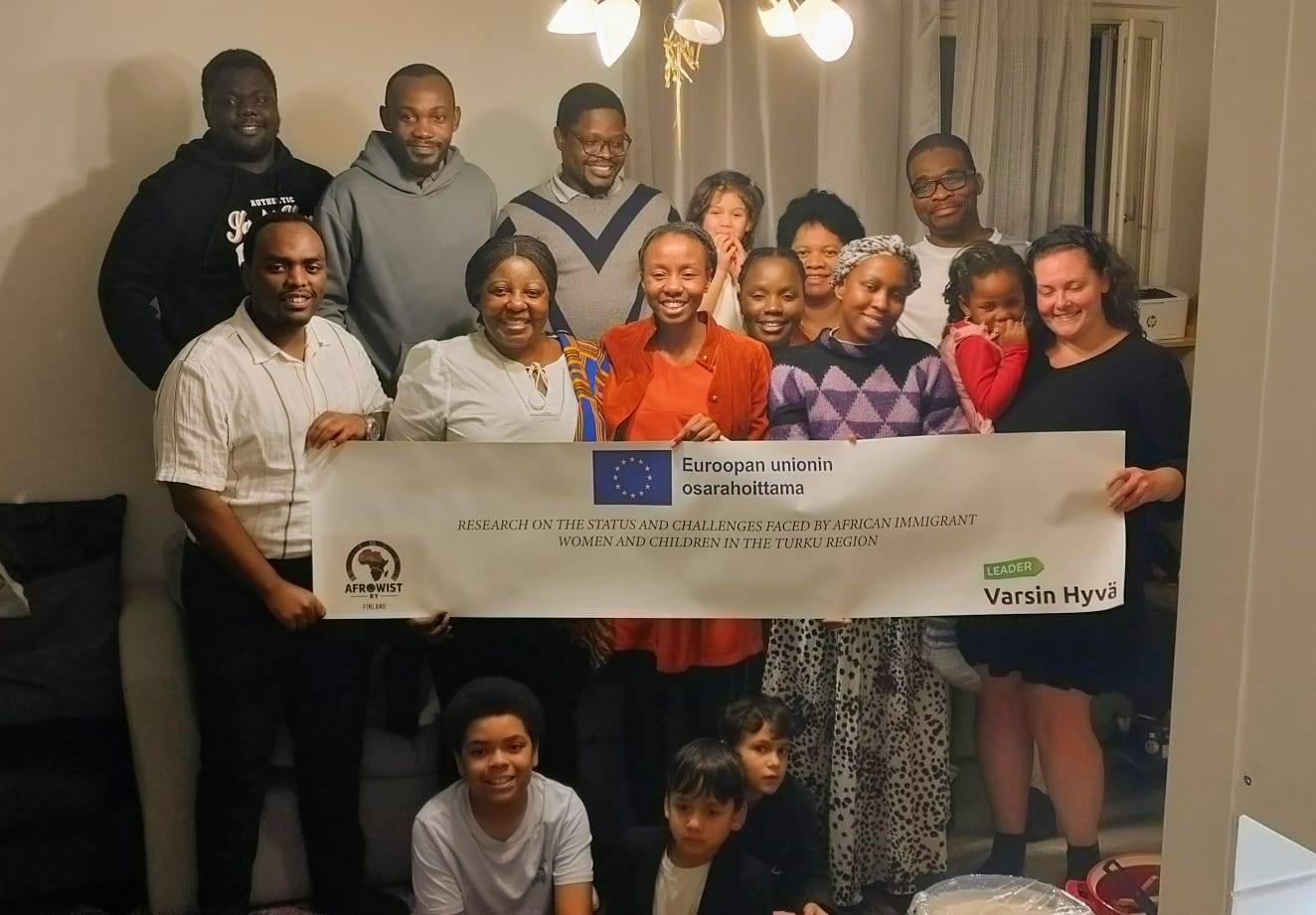
The African Immigrant Women, Youth, and Children Association (AFROWIST), in partnership with the European Union and Hyvä Varsin, is conducting a research study on the status and challenges faced by African women and children across eleven municipalities in the Turku region of Finland.
The research will be conducted across eleven municipalities in the Turku region—Turku, Kaarina, Raisio, Naantali, Lieto, Paimio, Sauvo, Masku, Rusko,Nousainen, and Taivassalo. These municipalities were selected because they represent diverse demographic and socioeconomic contexts within Southwest Finland, where African immigrant women and children are increasingly part of local communities. The Turku region is a key hub for immigrant settlement, offering both urban and semirural environments that highlight variations in integration experiences. By including municipalities of different sizes and service capacities, the study aims to capture a comprehensive picture of the challenges and opportunities faced by African immigrant families. This selection also ensures that findings will be relevant for regional policy development and can inform tailored strategies for inclusion and empowerment across varied local contexts.
The objective of the study is to examine the social, economic, and cultural challenges faced by African immigrant women and children in the Turku region of Finland, with a particular focus on eleven municipalities. Specifically, the study seeks to assess their current status, identify barriers to integration, and generate evidencebased recommendations that can inform local policies and community initiatives aimed at promoting inclusion, empowerment, and equal opportunities.
Specific Objectives of the Study
Significance of the Study
This study is significant because it addresses the living realities of African immigrant families within eleven municipalities of the Turku region, offering insights into both opportunities and challenges of integration. By documenting socioeconomic, cultural, and institutional barriers, the research contributes to a deeper understanding of how immigrant families navigate local systems of education, employment, healthcare, and social services.
At the policy level, the findings will provide evidence to strengthen municipal strategies in
line with Finland’s national integration framework and the European Union’s broader
objectives of inclusion, equality, and social cohesion. The study also highlights the
importance of empowering immigrant women as community leaders, thereby advancing
gender equality and sustainable development goals.
Moreover, by partnering together with Hyvä Varsin Ry Finland and funded by EU, it is
envisaged that the research project will effectively connect grassroots realities with regional
and international policy agendas. This ensures that the recommendations are not only
academically robust but also practically applicable for policymakers, service providers, and
community organizations committed to fostering inclusive societies in Finland and across
Europe.
Our Gallery